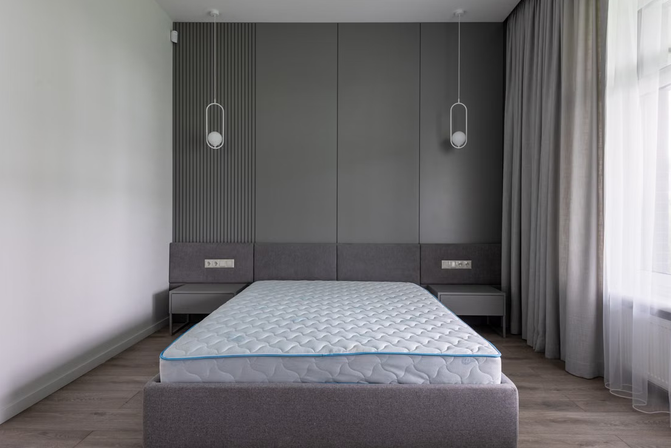
A tiny bedroom can make a king-size mattress feel like a terrible joke. Before squeezing a bulky bed into a narrow room, this mattress buying guide can help you compare options that suit smaller spaces. The trick is choosing a mattress that works with your available floor area, storage needs, and sleeping style. Small does not have to mean sleeping like a folded-up lawn chair.
Memory Foam Mattress
Memory foam mattresses are a practical choice for compact bedrooms because they come in many thicknesses and sizes. Their flexible construction can also work well on platform beds and other space-conscious frames. Some models arrive compressed, which makes carrying them through narrow hallways much easier. That can be a lifesaver in apartments with tiny elevators or staircases that seem personally offended by large furniture. Comfort is another reason memory foam remains popular. It can contour around the body and reduce pressure at common contact points. Look for a thickness that provides enough support without taking up unnecessary vertical space. A thinner mattress can work well for some sleepers, but body weight and sleeping position should guide the final choice.
Latex Mattress
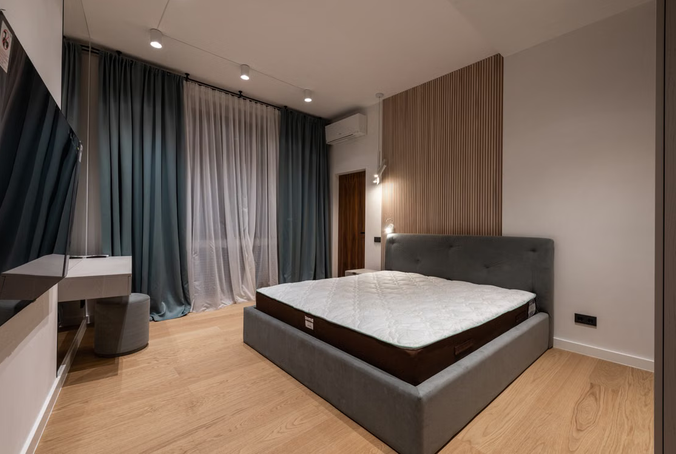
Latex mattresses offer a responsive feel without requiring an enormous mattress profile. They can be a good fit for smaller bedrooms where you want comfort but still need room for storage or other furniture. Latex generally feels springier than traditional memory foam, so sleepers who dislike a deeply sinking sensation may prefer it. It also tends to maintain its shape well with regular use. Consider the mattress thickness carefully before buying. A compact latex model can leave more visual breathing room around the bed, especially in a low-ceilinged room. Natural latex can also be heavier than some alternatives, so getting it into the bedroom deserves some planning. Check the dimensions and weight before ordering instead of discovering the delivery box has become your new roommate.
Foldable Mattress
Foldable mattresses are practically made for homes where every square metre matters. They can be folded away when the bed is not needed, freeing up valuable floor space during the day. This makes them useful for studio apartments, guest rooms, children’s rooms, and multipurpose spaces. Some designs can also function as temporary seating. Comfort depends heavily on the construction and thickness. Look for models with supportive foam layers rather than choosing purely based on how easily they fold. Check the folded dimensions too, because storage space can disappear quickly if the mattress is still bulky. A proper storage location keeps the room usable instead of turning one corner into Mattress Mountain.
Innerspring Mattress

Innerspring mattresses can provide strong support while maintaining a relatively traditional profile. Their coil systems create a responsive sleeping surface that many people find comfortable. They can also allow more airflow than dense foam designs, which may appeal to hot sleepers. For a small bedroom, choose a suitable mattress thickness rather than automatically buying the tallest model available. Pairing the mattress with a streamlined bed frame can save even more space. A platform frame with built-in drawers can turn the area beneath the bed into useful storage. Measure the complete setup before buying so doors, wardrobes, and drawers still have room to operate. Nobody wants a comfortable bed that blocks the wardrobe like a tiny bedroom fortress.
Futon Mattress
A futon mattress can pull double duty in rooms that need to change function during the day. Depending on the setup, it can serve as seating before becoming a sleeping surface at night. This makes it particularly handy for studios, home offices, and guest spaces. It also avoids dedicating the entire room to a permanent bed. Comfort varies considerably between futon designs, so construction matters. Thicker models generally provide more cushioning, while firmer versions may suit sleepers who prefer stronger support. Check the frame dimensions and folding mechanism before committing. The right combination can create a flexible sleep area without making a small room feel permanently occupied.
Saving space does not mean accepting an uncomfortable mattress. Memory foam, latex, foldable, innerspring, and futon options each solve the problem differently. Focus on your sleeping preferences, available storage, mattress dimensions, and room layout before buying. The best compact setup is the one that gives you comfortable sleep while leaving enough floor space to actually live in the room.